
Is Florida Actually Below Sea Level?


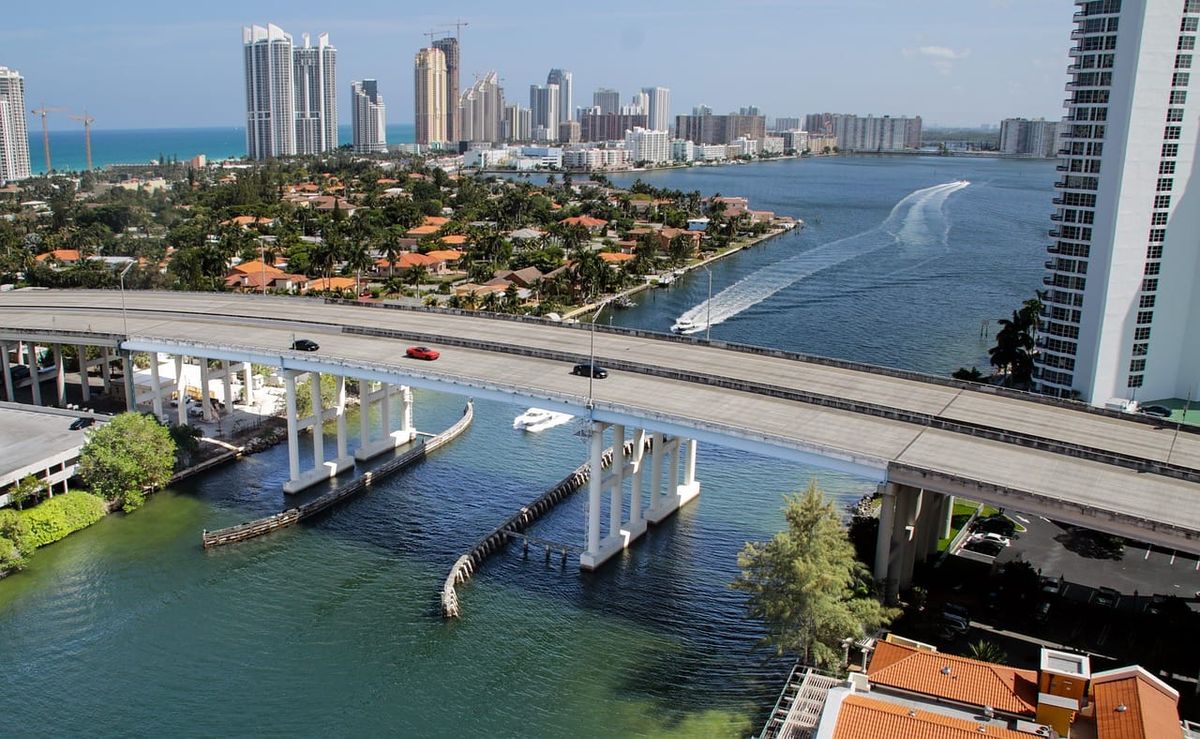
There are a lot of rumors about Florida thanks to the 24-hour news cycle and social media sites, but one misconception that keeps getting asked always catches us off-guard: "Is Florida below sea level?" Of course not. But read on.
Why Florida is Unique
Among Florida's rare characteristics:
- It's the only U.S. state that has coasts on the Gulf of Mexico and the Atlantic Ocean.
- It has the longest coastline in the contiguous United States at 1,350 miles. (Alaska is tops overall with 6,640 miles; California is third with 840 miles.)
- Experts say that no matter how far inland you travel in Florida, you're still no more than 60 miles away from a beach.
- Florida has more than 4,500 islands larger than ten acres — second only to Alaska. The Florida Keys stretch about 120 miles from Key Largo to Key West.
- Lake Okeechobee, Florida’s “inland sea,” is the largest freshwater lake in the state and the 8th largest in the U.S. — yet it’s only about 9 feet deep on average.
- The St. Johns River is one of the few major rivers in the U.S. that flows north, running from Vero Beach to Jacksonville before emptying into the Atlantic.
Though some parts of Florida — the Everglades in particular at 20 feet — have extremely low elevations, very little of the state is below sea level. The areas that are below sea level are often man-made. It turns out Florida isn't even the state with the lowest elevation.
What State Has The Lowest Elevation?
Delaware is actually the state with the lowest elevation at just 60 feet above sea level. Florida and Louisiana are tied for second with an average 100 feet above sea level. The District of Columbia is next at 150 feet.
Britton Hill - at 345 feet above sea level - is Florida's highest point. The hill is in Northwest Florida, in Walton County near the town of Lakewood. It's about 2 miles southeast of Alabama. A market sits on top of the hill to remind any visitors of this distinction. It should also be noted that Britton Hill is the "lowest high point" of all 50 states.
Do Rising Sea Levels Affect Florida?
All this is not to say things won't change. According to experts, the sea level surrounding Florida is 8 inches higher now than it was in 1950. With the melting of polar ice caps, the sea level is believed to rise by 1 inch every 3 years.
As the sea levels rise, other weather phenomena occur. For example, high tides will cause flooding even on days without rain. According to reports, tidal flooding has increased by 352% since 2000.
Higher sea levels also increase the danger of storm surges - when water is pushed onto land by hurricanes and tropical storms. It's believed that the phenomenon of destructive "100-Year Storms" could become "10-Year Storms" by 2050 if sea levels continue accelerating.


